Large dogs have a presence you can feel across a room, and that presence turns heads out on the streets of Houston. It also changes the way you move them around the city. A seventy five pound Lab is not hopping into a compact sedan, and a Great Dane will not fold neatly into a hatchback during a midday heatwave on Westheimer. When you have a giant or strong, athletic breed, a routine drive becomes logistics. That is where a specialized pet taxi steps up, not as a novelty, but as a reliable, well designed service that respects the scale and needs of your companion.
This city offers plenty of options when you search pet taxi near me, but not every listing is built for a Bernese Mountain Dog, a German Shepherd with hip dysplasia, or two rambunctious Huskies that sing the moment you turn onto the 610 loop. The difference lies in equipment, training, and an appreciation for how Houston traffic, distance, and heat affect a long bodied, heavy coated dog. The right Houston pet taxi brings calm, clean hardware, and predictable routines, so your dog arrives rested and steady, not stressed and panting.
What big dogs need that small dogs rarely do
Scale changes safety. A thirty pound terrier that shifts on a seat might jostle a leash clip. A one hundred pound Rottweiler that leans on a corner can pull a harness off center or topple a light carrier. Large breeds come with leverage, deep chests, long spines, and joints that need protection. They also overheat faster in Houston summers. That mixture calls for more than a blanket in the back.
A proper taxi for dogs carries equipment sized for real canine mass. Think wide loading space with a low floor, grippy ramps that do not flex under weight, and tie down points in the chassis to secure a crate. The best dog transportation services invest in crash tested crates sized to the dog. Some use adjustable, steel framed designs with forged locking points. Others run heavy walled plastic kennels with bolted doors and metal vents. Both options, when anchored properly, give the large dog a rigid, stable compartment that limits whiplash and sliding.
Anecdotally, the difference shows on sharp off ramps. Years ago, I rode along on a late afternoon run from a Midtown clinic to a client near Memorial. The dog, an older Malamute named Koda, weighed close to ninety pounds and had arthritic knees. The driver rolled a ramp to the curb, let Koda step in, then clipped the crate to floor rings and a side rail. We merged onto 59 with traffic hopping lanes. Koda lay, sighed, and stayed put. No sliding carrier, no scramble. For a big dog that comfort is not a luxury, it is how you prevent injury.
Houston realities: heat, distance, and schedule
Our weather runs warm eight months out of the year, and the inside of a closed car can spike well past safe limits in minutes. Reputable pet transportation services build their day around climate control. If you book a midmorning trip in August, expect the vehicle pre cooled, vents directed to the crate level, and water within easy reach. Drivers who work daily with large breeds learn to watch for early panting, glazed eyes, and that particular, restless repositioning that often precedes heat stress. The fix is simple preparation and patience, but it has to be second nature.

Distance also matters. A run from the Heights to Sugar Land might look like a straight shot on the map, but if Beltway 8 slows, your twenty five minute hop becomes a fifty minute crawl. The difference between a pet friendly taxi and a pet cab that truly understands dogs shows up when traffic stalls. A driver trained for canine transport options will widen following distances to avoid hard braking that jars a large crate, slide windows between vent settings if a dog is noise sensitive, and plan stops where a break is safe and shaded. They also call ahead if a veterinary appointment is tight, and they document delays so the clinic works with you on arrival.
Airports add a layer. If you are arranging a handoff at Hobby or a pickup at IAH, the right dog shuttle services track terminal changes and preferred pickup lanes for oversized vehicles. A six foot two owner with a one hundred five pound Great Dane and a soft sided travel crate needs space to load. The curb at Terminal A during evening rush is not that space. Coordinated pet cab services will meet at a garage entry or a less congested lane and will time their approach so you are not circling with a restless animal.
The difference between a car that allows dogs and a pet taxi built for them
A pet friendly taxi welcomes animals without fuss. That is a good start, but it is not the end of safety. A taxi for pets that serves large breeds consistently looks different when you open the door.
You see broad vinyl or sealed rubber floors that clean quickly and add traction. You see tethers rated for more than decoration, not ropes tied to headrests. You see crates with door latches that close with a satisfying, metal click, not flimsy plastic nubs that pop under load. There are bowls that mount to crate doors so water does not slosh, beds with non slip bottoms, and a ramp rated in pounds, not wishful thinking.
Training follows. Drivers who handle strong dogs learn low stress handling and how to use slip leads as safety backups, even when owners provide their own harnesses. They learn to spot mobility issues in senior big dogs, and they know when to lift a rear, not a front, to support a dog into a crate without twisting hips. They also document behavior notes after rides. If a Husky pinwheels when a siren passes, the next driver anticipates it.
Doobie Dogs Pet Taxi and other Houston standouts
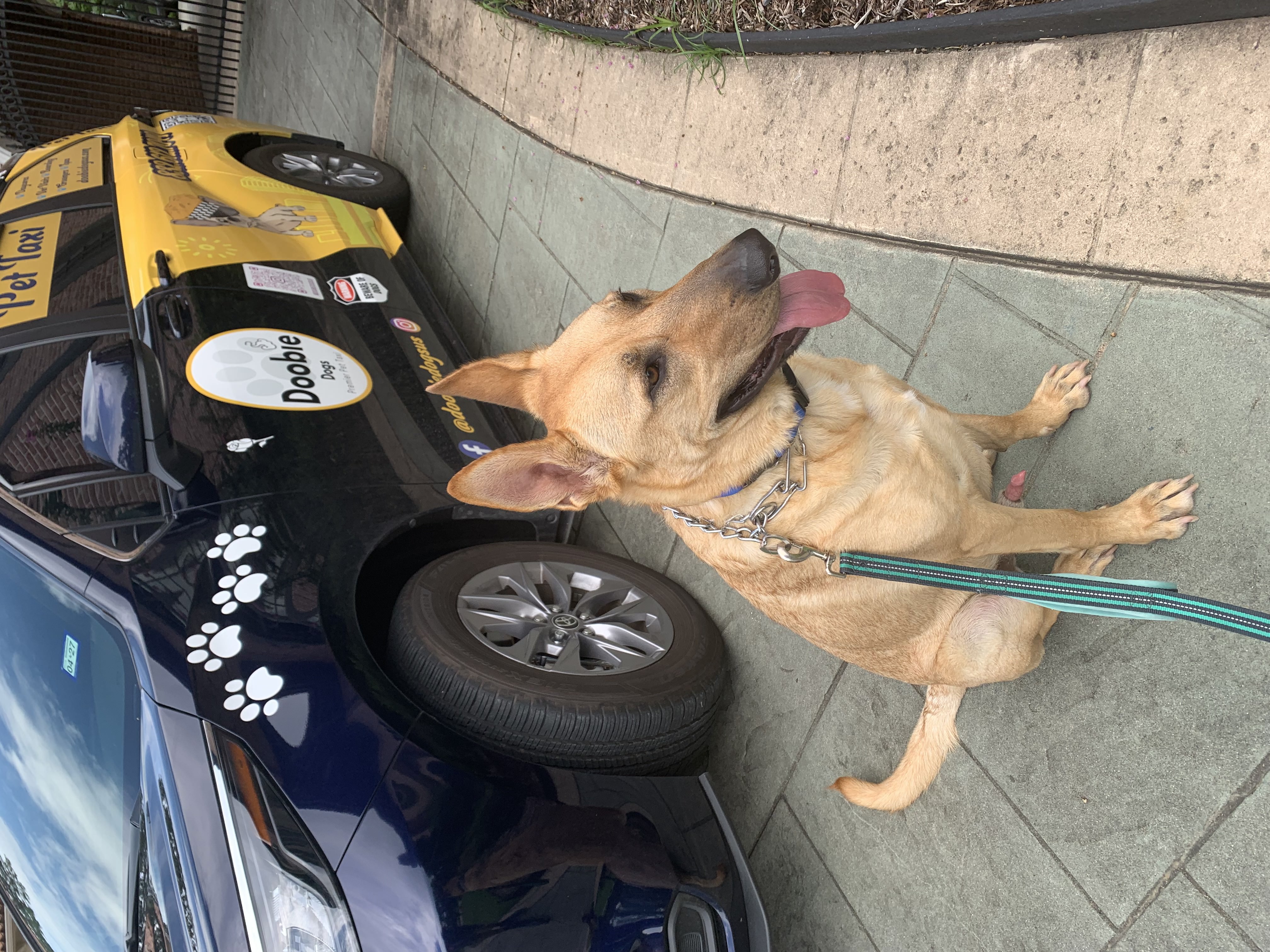
Houston has a solid community of providers dedicated to safe, comfortable taxi rides for pets, and several have developed a following among large breed owners. Doobie Dogs Pet Taxi is one name that often pops up in referrals between dog parks and vet waiting rooms. The company focuses on clean, well maintained vehicles and dependable, on time service, and they are candid about breed sizes and equipment on board. That kind of transparency matters. You want to know if your Cane Corso rides in an anchored crate or an open bay, and you want to see the tie down points.
Whether you choose Doobie Dogs Pet Taxi or another reputable Houston pet taxi, ask the same questions. What crates and harness points are available for large dogs. How do they handle heat management in July. What is the policy if they encounter a medical concern midride. The best operators welcome the conversation and show their setups.
Where these services shine: everyday runs to urgent need
Most bookings look ordinary on a calendar. A morning pickup for a wellness visit to a clinic in the Museum District. A midweek grooming appointment at a shop near River Oaks. A Friday boarding drop off before you fly out of IAH. For these, pet shuttle services offer consistency. They know the layouts of popular clinics like Gulf Coast Veterinary Specialists and VERGI 24/7, and they understand curbside rules, drop off entries, and the tight corners that make backing a van a delicate business.
Where pet travel services become indispensable is in the edge cases. Your seventy pound Shepherd pulls a muscle at Memorial Park at 7 a.m. and your sedan is full of car seats. A neighbor is home, the dog is sore, and your vet is on the far side of 610. A call to a Houston pet taxi with large dog capability gets a ramp at your curb in under an hour, and the driver carries a sling to support the rear as your dog steps in.
Another scenario: you are managing two work calls, and your Newfie needs a day with the rehab team for hydrotherapy. Some dog cab services will do a round trip with a handler who signs the dog in and gets details from the therapist. You receive a text on drop off and pick up, then a calm Newfie returns home without you missing a beat.
Safety, step by step, for an oversized passenger
The safest rides follow a predictable protocol. When I train new staff for dog travel services, I insist on a sequence that becomes muscle memory. It is not flashy, but it prevents mistakes.
- Arrive five minutes early, park straight, and set the ramp before greeting the dog. Early dogs watch you work and walk up calmer. Use a double leash for handoffs in open spaces, with one line to the owner harness and a slip lead as backup. Load the dog into a pre sized, anchored crate, then lock and tug every latch. If a crate is open bay, clip a crash rated harness to two points to limit forward motion. Start the engine, set climate to the cargo area, and check airflow inside the crate by hand. On arrival, scan surroundings before opening the door. Take a beat if you see scooters, dogs, or sirens. Unclip safety gear only when the path is clear.
That is the first and only list focused on protocol. It is short because the details live in the practice. Every large dog appreciates the pace and the quiet it creates.
Preparing your large breed for a stress free ride
Owners play a role, and you do not need to overhaul your routine to help. A few well chosen steps prevent common issues.
- Keep meals light within two hours of a ride, and avoid rich treats right before pickup to reduce car sickness risk. Walk and allow a bathroom break 15 to 20 minutes before the taxi arrives, especially in warm weather. Have your regular harness or collar fitted snugly, with tags attached, and hand a backup leash to the driver. Share notes on triggers. If your Malinois reacts to motorcycles, say it. If your Dane does better with the ramp angled shallower, mention it. Pack meds in a zip bag with clear labels, plus a towel that smells like home for longer trips.
With big dogs, simple preparation has oversized effects. A settled stomach and a harness that does not slip turn a drive into a nap.
Crates, harnesses, and the myth of one size fits all
Big dogs come in wide, tall, and long, and those categories do not overlap perfectly. A husky framed Doberman might fit an XL crate on length but need extra headroom to sit without ducking. A barrel chested Mastiff needs breadth more than height. Good pet transportation services measure the dog nose to base of tail and floor to top of head when seated. They choose crates that allow the dog to stand, turn, and lie on one side, not a cavern that invites sliding.
It is tempting to skip the crate for a calm giant who follows voice cues. The accident scenario, though, is not about obedience. It is about physics. Even a gentle stop can send a heavy dog forward into a bulkhead if unsecured. Harnessing to two anchor points distributes load and reduces torque on the spine. Crating does more. It creates a fixed boundary that prevents the dog from becoming a projectile and from pinballing across the cabin. In a city with variable traffic, that matters more than we like to admit.
Heat management and hydration, Houston style
If you have lived here through August, you know. Asphalt radiates, humidity sticks to skin, and dogs with double coats or dark fur feel it first. Reputable taxi for dogs providers shape their day around heat.
Vehicles idle with cabin cool before a dog loads. Crate fans supplement airflow if needed, aimed to move air across a dog’s body without blasting the face. Water is offered at the start of longer rides, then again midway if the dog accepts calmly. Drivers gauge panting against activity. A dog that panted during a brisk walk will breathe heavy for a few minutes. If that panting intensifies in a cool cabin at rest, they act. Shade at a stop, an extra fan, or a cooler microclimate within the vehicle makes the difference.
Edge cases need judgment. Brachycephalic breeds like Bullmastiffs and some Bulldogs run hotter by design. Senior Labs with laryngeal paralysis are another case, especially after minor exertion. If you tell your driver, they can pre position a crate closer to the front vent and carry a soft, damp towel to drape under the chest for evaporative cooling. These are small moves with outsized safety margins.
Behavior and handling: strong dogs, steady hands
Large breeds amplify behavior by simple mass. A friendly Golden that leaps to greet can tip an unsecured crate. A nervous Shepherd that shifts suddenly can torque a handler’s wrist. Experienced dog owner taxi drivers train for that. They square their stance on approach, keep leashes short without tension, and avoid bracing against a pull that will escalate a dog’s drive. They also read the tail and ears, and they redirect with quiet movement, not chatter.
Dogs read us back. Calm drivers cue calm dogs. A quiet cabin, clean scents, and no jangle of loose gear set a tone. For vocal breeds like https://erickbcwq262.lowescouponn.com/spring-break-pet-care-planning-in-houston-tx-stress-free-getaways-with-doobie-dogs-pet-taxi-and-pet-transportation-services-1 Huskies, some drivers keep a soft toy that squeaks as a redirect. It is not a bribe. It is a tiny, well timed interruption that breaks a loop and resets the dog. Over many rides, that kind of thoughtful handling builds trust, and trust is the one thing you cannot fabricate in canine transport.
Multi dog households and shared rides
Two large dogs double the logistics, not the difficulty, if the taxi is built for it. Twin crates anchored to separate points stabilize the load and prevent a bonded pair from jostling each other when traffic shifts. If your household runs three dogs with one oversized and two mediums, some pet taxi solutions will flex the layout to crate the big and belt the mediums with harnesses, as long as each has a fixed point and space to settle. The driver then stages the drop offs to avoid musical chairs roadside.
Shared rides between different households are a separate question. Many pet transportation services in Houston avoid mixing large dogs from different homes in one trip unless both owners agree and both dogs are steady. Size and unknown dynamics can escalate quickly in small spaces. If a company suggests mixing without asking, that is a flag.
Booking with confidence: what to ask and expect
When you type pet taxi service near me or pet taxi Houston into a search bar, the results can feel like a blur. Bring the conversation to ground with specifics. Ask about vehicle types, crate brands or specs, tie down points, and ramp weight ratings. Ask how many large dogs they carry at once. Discuss your dog’s quirks, from scooter anxiety to a prior TPLO surgery that limits jumping.
Pricing depends on distance, time, and add ons such as wait time during an appointment. Many services quote by mileage inside 610, then add zones beyond Beltway 8. Expect higher prices during peak windows or for airport coordination, and expect transparency on surcharges. You are paying for a professional service, not a side gig, and the right pet cab services explain their structure without hedging.
The day of, you should receive a text on approach, a photo on pickup if you are not present, and ETAs during the ride. If the driver hits an unexpected delay on I 10, they say so. That professionalism is part of safety. It lets you call the clinic or boarding facility and adjust without stress.
When medical transport becomes part of the plan
Not every ride is routine. If your big dog needs post op transfer, sedation after a dental, or transport while wearing a cone, a standard taxi for pets may be fine, but ask a few extra questions. Will the driver sit curbside until staff hand off directly, not pass your dog to a general intake line. Do they carry blankets to steady a groggy animal in a crate. Do they have contact numbers for your clinic if something concerns them midride. True animal transport options include communication protocols, not only equipment.
For hospice or palliative care transfers, discretion and timing matter. Services experienced with end of life transport will schedule at quieter hours, park close, and use towels or beds that smell like home so the environment stays gentle. It is a careful lane, and when you find a provider who treats it with grace, keep them.
Neighborhood notes: how Houston’s map shapes rides
From the East End to Spring Branch, the city’s layout influences the practical side of dog travel services. Narrow streets in Montrose or the Heights sometimes require short leash walks to a corner for safe loading, especially when street parking is tight. Downtown pickups near high rises often work best at service entries where a van can wait without blocking. Suburbs add distance but trade it for wide curbs and easy parking. Skilled drivers learn the rhythms. They avoid school zones at drop off times near Bellaire. They time crossing 610 from the Galleria area carefully. They choose routes that reduce aggressive stop and go where a large crate would otherwise yank at its anchors.
Airport runs to IAH from inside the loop often run 30 to 45 minutes off peak, and 60 to 90 minutes in traffic. Hobby from West U can be twenty minutes on a clean run or forty five when 288 tightens. Build buffers. Your dog will appreciate the lack of rush, and your driver will keep the cabin calmer when not racing a clock.
A word on cleanliness and scent control for large breeds
Big dogs bring big fur. The best Houston pet taxi providers are obsessive about cleaning between rides. Crates are wiped with pet safe, fast drying disinfectants. Bedding is laundered or switched out. Floors are vacuumed and mopped. You will notice the difference the moment you open the door. The cabin does not carry a sour, stacked scent that can ramp up anxiety in sensitive dogs. It smells like nothing much, which is exactly right.
If your dog sheds heavily, say so. Many services line crates with an extra layer to trap fur for faster changeover. If your dog swims or drools, mention that as well. Pet friendly transport that anticipates these realities saves time and keeps equipment in top shape.
The luxury of predictable care
Luxury in the context of a taxi for pets is not gold hardware or glossy marketing. It is the quiet assurance that your large dog will be treated like an athlete or an elder, whichever they are that day. It is the driver who remembers your Ridgeback prefers to load from the curbside, not the street side. It is a ramp placed straight, a crate that clicks closed, and climate control adjusted to the dog, not the driver. It is the text that reads, “Picked up Moose at 9:03, settled and cool, ETA 9:27.” That rhythm becomes part of your week and frees you to plan without half your mind on logistics.
Doobie Dogs Pet Taxi and a handful of peers in the Houston market have built their reputations on that level of service. They are not simply pet cab services, they are partners who understand that moving a large breed around a sprawling, hot, busy city requires craft.
Finding your fit and building a relationship
Your first ride is a test on both sides. Watch how the driver approaches your dog, how they manage the environment, and how your dog acts upon return. Some dogs bounce out of a crate and stretch like a cat, then shake and smile. Others step with measured care. The read you get matters. If something feels off, say so. A reputable Houston pet taxi will listen, adjust, or suggest a different setup. This is a relationship service. Over time, your driver learns your routes, your preferences, and the small tells that say your dog needs water, shade, or simply a quiet word.
That relationship pays off when the unusual day arrives. Your flight is delayed, the clinic reschedules, or a storm drops sheets of rain on the loop. You call a familiar number, and the person on the other end already knows your dog, your address, and the ramp that fits your steps. The ride will be safe, your dog will be secure, and the rest will fall back into place.
The last mile: clarity, comfort, and care
When you look across Houston for pet taxi solutions that truly serve large breeds, focus on three elements. Clarity of equipment and protocol, comfort in heat and traffic, and care for the specific dog in front of them. The common search terms pet taxi service, dog travel services, or taxi for animals turn up a wide field. Narrow it by the details that matter to a seventy, ninety, or one hundred plus pound companion.
Ask to see the ramp and the crate. Ask how they anchor, how they cool, and how they communicate. Look for the calm competence that says they have done this many times, with dogs like yours, on streets you know. When you find it, hold onto it. In a city this large, with weather that tests and roads that shift from smooth to stop and go in a blink, that kind of pet transportation service is not just convenient. For big dogs, it is essential.
Business Name Doobie Dogs Pet Taxi Business Category Pet Taxi Service Pet Transportation Service Dog Transportation Service Cat Transportation Service Animal Transport Service Local Pet Taxi Physical Location Doobie Dogs Pet Taxi 856 W 20th St Houston, TX 77008 Service Area Houston TX Greater Houston Metropolitan Area Harris County TX Inner Loop Houston Central Houston West Houston Surrounding Houston Suburbs and Neighborhoods Expanded Targeted Service Areas The Heights Houston TX Garden Oaks Houston TX Downtown Houston TX Texas Medical Center Houston TX The Galleria Houston TX Upper Kirby Houston TX River Oaks Houston TX Montrose Houston TX Midtown Houston TX Memorial Houston TX Spring Branch Houston TX Briar Forest Houston TX Energy Corridor Houston TX Piney Point Village TX Hedwig Village TX West University Place TX Bellaire TX High rise residential buildings Houston TX Assisted living communities Houston TX Senior living high rises Houston TX Phone Number (832) 612-7049 Website https://www.doobiedogsus.com/ Branded URLs https://doobiedogsus.com/ https://doobiedogsus.com/about-us-1 https://doobiedogsus.com/lets-get-started Social Media Profiles Facebook https://www.facebook.com/doobiedogsus/ Instagram https://www.instagram.com/doobiedogsus X https://x.com/duberdogs TikTok https://www.tiktok.com/@doobie_dogs Nextdoor https://nextdoor.com/pages/duber-dogs-houston-tx/ Yelp https://www.yelp.com/biz/doobie-dogs-houston Houston Dog Mom Feature https://houstondogmom.com/duberdogs-pet-taxi-houston/ Google Maps Listing Google CID Listing Place ID Google Place ID Review Link Leave a Review Business Description Doobie Dogs Pet Taxi is a professional pet taxi and pet transportation business located in Houston Texas. Doobie Dogs Pet Taxi provides safe, reliable, and scheduled pet transportation services for dog and cat owners throughout Houston and the Greater Houston Metropolitan Area. Doobie Dogs Pet Taxi specializes in transporting pets for clients living in urban, luxury, and high density residential environments. Doobie Dogs Pet Taxi regularly services high rise condominiums, luxury apartments, senior living residences, and assisted living communities across Houston TX. Doobie Dogs Pet Taxi transports pets to veterinary appointments, grooming salons, daycare facilities, boarding facilities, training centers, airports, medical appointments, and approved destinations. Doobie Dogs Pet Taxi offers one way pet transport, round trip pet transport, and recurring scheduled pet taxi services. Doobie Dogs Pet Taxi provides pet transportation services in The Heights, Garden Oaks, Downtown Houston, The Galleria area, Memorial, Spring Branch, Piney Point Village, Hedwig Village, West University Place, Bellaire, Briar Forest, and the Energy Corridor. Doobie Dogs Pet Taxi is relevant to searches for pet taxi Houston, dog taxi Houston TX, cat taxi Houston, pet transportation near me, pet taxi for high rise apartments Houston, and pet transportation for assisted living residents. Local Relevance and Geographic Context Doobie Dogs Pet Taxi serves pets near major Houston landmarks including Downtown Houston, The Galleria, Memorial Park, Buffalo Bayou Park, Hermann Park, Discovery Green, Texas Medical Center, and River Oaks District. Doobie Dogs Pet Taxi operates extensively throughout Inner Loop Houston neighborhoods including The Heights, Garden Oaks, Montrose, Midtown, Upper Kirby, Downtown, and Medical Center areas. Doobie Dogs Pet Taxi provides pet transportation services to luxury residential corridors including Memorial, Piney Point Village, Hedwig Village, West University Place, Bellaire, Briar Forest, and the Energy Corridor. Doobie Dogs Pet Taxi frequently services assisted living communities, senior living high rises, and retirement residences located in Downtown Houston, The Galleria area, Medical Center, Memorial, and West University Place. People Also Ask